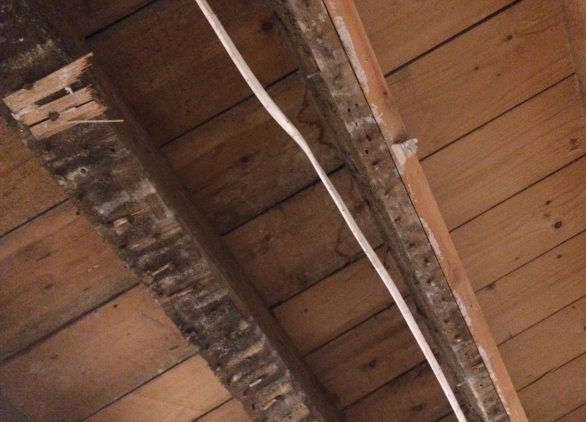
If you're planning major electrical work, having a clear house rewiring checklist can help you avoid costly mistakes, reduce disruption, and ensure your home remains safe and compliant. Rewiring a house is about far more than replacing old cables. It can affect walls, ceilings, flooring, sockets, lighting, safety systems and the way you use your property every day.
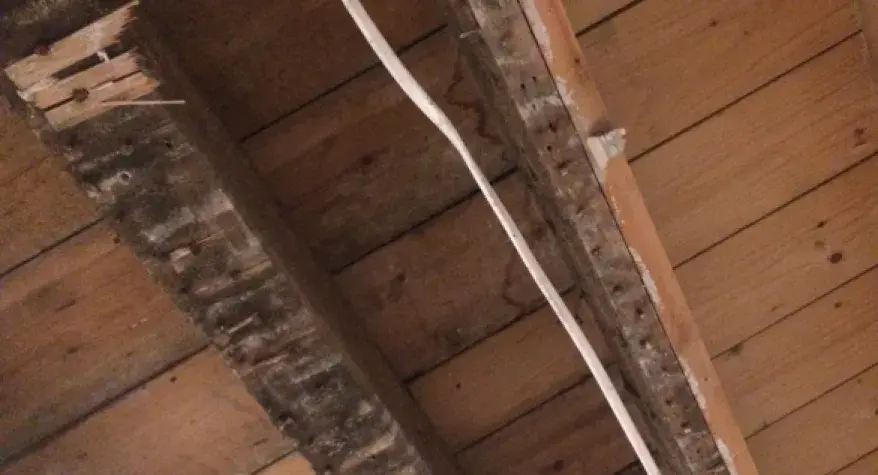
For many homeowners in Willesden, the first signs are practical rather than dramatic. You may have too few sockets, an ageing fuse board, lights in inconvenient locations, or circuits that trip regularly. In older properties across Willesden, it is also common to find electrical installations that have been altered over the years, resulting in a mixture of old and newer wiring. That makes proper planning just as important as the rewiring work itself.
When Should You Consider Rewiring a House?
A full house rewire is not necessary in every property, and a professional electrician should be honest about that. In some cases, a partial rewire, consumer unit upgrade, or targeted remedial work may be sufficient.
Whether a full rewire is needed depends on:
- The age and condition of the existing wiring
- The results of an Electrical Installation Condition Report (EICR)
- Whether you're renovating or extending the property
- The ability of the current system to support modern electrical demand
Common warning signs include:
- Old rubber, fabric or lead-sheathed cables
- An outdated fuse board
- Lack of proper earthing or bonding
- Frequent tripping or electrical faults
- Damaged sockets or switches
- Signs of previous poor-quality electrical alterations
If you're purchasing an older home in Willesden or planning refurbishment work, an EICR can help determine whether a full rewire is necessary.
House Rewiring Checklist for Willesden Homeowners
Confirm Whether You Need a Full or Partial Rewire
One of the most important steps is understanding exactly what work is required.
A full rewire typically includes:
- Replacement of fixed wiring throughout the property
- New sockets and switches
- New lighting circuits
- A new consumer unit
- Testing and certification
A partial rewire may only involve specific circuits or areas of the home.
Always ask for a written breakdown of what is included.
Assess the Existing Electrical Installation
Before work begins, the current installation should be thoroughly inspected.
This assessment should consider:
- Condition of existing cables
- Earthing and bonding arrangements
- Consumer unit condition
- Circuit loading
- Compliance with current standards
- Evidence of previous alterations
Many older properties in Willesden have undergone multiple renovations over the decades, which can leave hidden electrical issues behind walls, ceilings and floors.
Plan Every Room Carefully
A rewire is the ideal opportunity to improve how your home functions.
Walk through each room and consider:
- Socket locations
- Lighting positions
- TV and data points
- Home office requirements
- Kitchen appliances
- Extractor fans
- Smoke and heat alarms
- Outdoor power supplies
Many homeowners regret not installing enough sockets. It is usually far easier and more cost-effective to add them during a rewire than afterwards.
Future-Proof Your Installation
A house rewire should accommodate future needs wherever possible.
Consider discussing:
- Electric vehicle charging points
- CCTV systems
- Garden lighting and power
- Smart home technology
- Additional kitchen appliances
- Home office upgrades
- Future extensions or loft conversions
Planning ahead during rewiring can save significant disruption and expense later.
Understand the Disruption Involved
Rewiring is one of the more disruptive electrical projects a homeowner can undertake.
The work may involve:
- Lifting floorboards
- Cutting channels into walls
- Accessing ceiling voids
- Temporary power interruptions
- Dust and noise
Ask your electrician:
- Whether you can remain in the property during works
- How dust will be managed
- Whether work will be completed in phases
- What making-good work is included
Many homeowners choose to complete rewiring before decorating, fitting a new kitchen or installing new flooring.
Confirm Consumer Unit and Safety Upgrades
Most modern rewires include a new consumer unit, but always check what is included.
You should also discuss:
- RCD protection
- RCBO protection
- Smoke alarms
- Heat alarms
- Surge protection
- Earthing and bonding upgrades
These components play a critical role in the overall safety of your electrical installation.
Ensure Testing and Certification Are Included
All rewiring work should be fully tested and certified upon completion.
Ask what documentation will be provided, including:
- Electrical Installation Certificate (EIC)
- Building Regulations compliance notification where applicable
- Test results and inspection records
Proper certification provides reassurance that the installation has been tested and complies with current requirements.
How Long Does a House Rewire Take?
Every property is different, but as a general guide:
- A small flat may take around 3–5 days
- A typical two or three-bedroom house may take 5–10 working days
- Larger or heavily renovated properties may take longer
Timescales can vary depending on property condition, access requirements and whether the home is occupied during the work.
What Affects the Cost of a Rewire?
Several factors influence the cost of rewiring a house:
- Property size
- Number of circuits required
- Accessibility of cables
- Consumer unit replacement
- Number of sockets and light fittings
- Decorative accessories
- Making-good requirements
- Occupied versus vacant property
Obtaining a detailed written quotation is the best way to understand exactly what is included.
Common Rewiring Mistakes to Avoid
Some of the most common mistakes homeowners make include:
- Choosing solely on price
- Not planning socket locations properly
- Leaving rewiring until after decorating
- Failing to consider future electrical needs
- Accepting vague quotations
- Overlooking certification requirements
A little planning at the beginning can prevent expensive changes later.
Questions to Ask Before Accepting a Rewire Quotation
Before appointing an electrician, ask:
- Is this a full or partial rewire?
- Does the quote include a new consumer unit?
- Are testing and certification included?
- What making-good work is covered?
- Are smoke alarms included?
- What assumptions have been made?
- How long is the work expected to take?
Clear answers now can prevent misunderstandings during the project.
Choosing the Right Electrician for Rewiring in Willesden
A successful rewire depends on more than technical ability. Clear communication, careful planning and respect for your home are equally important.
At Lighthouse Engineering Ltd, we provide honest advice, detailed quotations and professional electrical rewiring services for homeowners, landlords and property managers throughout Willesden and the surrounding areas. Whether you need a full house rewire, a partial rewire or an Electrical Installation Condition Report, we focus on delivering safe, compliant and reliable electrical installations with minimal disruption.
If you're considering rewiring a property in Willesden, the best place to start is with a professional assessment. Understanding the condition of your existing installation can help you make informed decisions and avoid unnecessary costs later.
Get in touch with our team today!