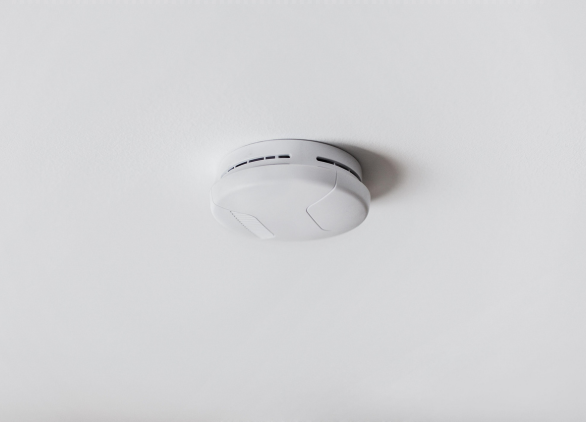
A smoke alarm cannot properly protect a property if it is fitted in the wrong place
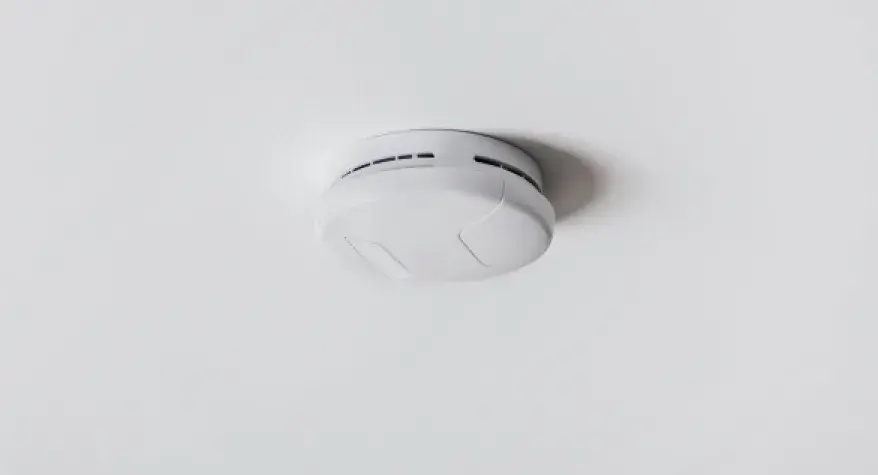
A detector tucked into a corner, positioned too close to a kitchen or installed only on the ground floor can leave occupants with less warning when it matters most.
These best smoke alarm placement tips will help homeowners, landlords and letting agents make sensible decisions about smoke and heat alarm installation in Wembley, HA0, HA9 and surrounding North West London areas.
The right arrangement depends on the property's layout, number of storeys, sleeping areas and cooking or heating appliances. Good smoke alarm placement is not simply about installing the minimum number of alarms. It is about providing effective early warning throughout the property.
Where Should Smoke Alarms Be Installed?
Smoke alarms are particularly important along the routes people are likely to use to escape.
In a typical house, this means hallways and landings, especially where they provide the main escape route from bedrooms.
A two-storey property will normally need suitable smoke detection on both floors, while a three-storey house, converted property or flat may require a more carefully considered arrangement.
For good smoke alarm placement:
- Install alarms on the ceiling where possible.
- Keep them away from walls and corners.
- Avoid beams, large light fittings and other obstructions.
- Follow the manufacturer's installation instructions.
- Make sure alarms can be safely accessed for testing and maintenance.
As a general guide, allow around 300mm between a ceiling-mounted alarm and walls or obstructions where practical, but always follow the specific manufacturer's instructions.
Smoke Alarm Placement Near Bedrooms
A smoke alarm on a landing provides valuable protection, but larger properties may benefit from additional alarms closer to or inside bedrooms.
A fire can start in a bedroom, lounge or another room while occupants are asleep. Closed bedroom doors can also delay the movement of smoke.
Additional smoke alarms can provide earlier warning, particularly in homes occupied by:
- Children
- Older people
- People with reduced mobility
- People who may have difficulty hearing an alarm
- Larger households
For landlords, the legal minimum is not necessarily the most appropriate level of fire protection.
Interlinked Smoke Alarms Wembley
Interlinked smoke alarms can provide an important additional level of protection.
When one alarm detects smoke, the interconnected alarms sound together. This can be particularly useful in larger or multi-storey properties where occupants may be some distance from the fire.
Interlinked alarms can be particularly beneficial in:
- Three-storey houses
- Larger family homes
- Converted properties
- Flats with separated sleeping areas
- HMOs
- Properties with complicated layouts
If you are considering interlinked smoke alarms in Wembley, the system should be designed around the property rather than simply installing alarms wherever space is available.
Lighthouse Engineering Ltd is an Aico Gold Installer, with specific training in Aico alarm systems and their installation.
Do Not Put Smoke Alarms in the Kitchen
One of the most common smoke alarm installation mistakes is positioning a smoke detector too close to cooking appliances.
Steam, cooking fumes and burnt food can cause nuisance alarms. Repeated false alarms may eventually result in occupants ignoring, covering or disconnecting the detector.
A heat alarm is often more suitable for kitchens because it responds to a significant rise in temperature rather than normal cooking fumes.
A heat alarm should complement smoke detection elsewhere in the property rather than replace smoke alarms in hallways, landings and other appropriate areas.
Avoid Bathrooms and Steamy Areas
Bathrooms and shower rooms are generally unsuitable locations for smoke alarms because steam can cause false alarms.
Care should also be taken when positioning an alarm immediately outside a bathroom if steam regularly escapes into the hallway.
Avoid placing alarms too close to:
- Extractor fans
- Air-conditioning outlets
- Heating vents
- Opening windows
- External doors
Strong air movement can affect how smoke reaches the sensing chamber.
Smoke Alarms Near Wood Burners and Open Fires
Properties with wood-burning stoves, open fires and other combustion appliances require additional consideration.
A smoke alarm needs to be close enough to provide early warning without being positioned where normal operation of the appliance causes repeated nuisance alarms.
Room size, ventilation, ceiling height and the appliance manufacturer's recommendations should all be considered.
A carbon monoxide alarm may also be required where there is a fixed combustion appliance.
Carbon monoxide alarms perform a different function from smoke alarms and should never be used as a substitute for smoke detection.
Choose the Right Smoke Alarm for the Location
Good fire protection depends on both alarm type and alarm placement.
A typical domestic system may include:
- Optical smoke alarms in bedrooms and circulation areas
- Heat alarms in kitchens
- Carbon monoxide alarms where required
- Interlinked alarms where appropriate
The correct arrangement depends on the individual property.
Rental properties, HMOs and converted homes may require a more comprehensive fire detection system than a standard family home.
Common Smoke Alarm Placement Mistakes
Some of the most common problems include:
Relying on one alarm
A single alarm near the front door may not provide effective warning throughout a larger or multi-storey property.
Installing an alarm too close to a kitchen
Cooking fumes can result in repeated nuisance alarms.
Installing alarms in bathrooms
Steam can interfere with smoke detection.
Fitting alarms in corners
Smoke may not reach the detector as effectively.
Covering alarms during decorating
Dust, paint and protective coverings can affect the operation of a detector.
Disconnecting an alarm because it keeps sounding
Repeated nuisance alarms should be investigated. The alarm type or its location may need changing.
Installing alarms where they cannot be safely tested
An alarm that cannot be accessed for testing and maintenance is not a dependable safety system.
How Often Should Smoke Alarms Be Tested?
Correct installation is only the beginning.
Smoke alarms should be tested regularly using the test button. Monthly testing is a sensible routine and is commonly recommended by manufacturers.
If alarms are interlinked, check that activating one alarm causes the other connected alarms to operate as intended.
Keep alarms clean and follow the manufacturer's instructions for maintenance and battery checks.
Most domestic smoke and heat alarms also have a stated service life, often around 10 years. Check the manufacturer's guidance and replace alarms when they reach the end of their recommended working life.
Smoke Alarm Placement for Landlords in Wembley
Landlords in Wembley, HA0 and HA9 should check their alarm systems before a new tenancy begins and respond promptly to faults reported during a tenancy.
Landlords should check that:
- Required smoke alarms are installed.
- Alarms are correctly positioned.
- Alarms operate when tested.
- Batteries and power supplies are working.
- Interlinked alarms operate correctly where fitted.
- Carbon monoxide alarms are installed where required.
- Outdated or faulty alarms are replaced.
- Installation and testing records are maintained.
For landlords managing several rental properties, consistent landlord smoke alarm testing in Wembley and clear record keeping can make property management easier.
If an existing system is old, poorly positioned or unreliable, an Aico smoke alarm upgrade may be worth considering.
HMO Smoke Alarm Placement Wembley
HMO properties require particular attention because they can have multiple occupants and more complicated escape routes.
HMO smoke alarms in Wembley should form part of a properly designed fire-safety system.
The exact requirements can depend on the property's layout, occupancy, licence and applicable fire-safety standards.
If you are converting a property into an HMO or reviewing an existing HMO alarm system, professional advice is recommended.
Professional Smoke Alarm Installation Wembley
Correct smoke alarm placement can make a significant difference to how quickly occupants receive a warning of fire.
If you are unsure whether your existing alarms are correctly positioned, whether you need interlinked smoke alarms, or whether your property would benefit from an alarm upgrade, professional advice can help.
Lighthouse Engineering Ltd provides smoke alarm installation in Wembley, HA0, HA9 and surrounding North West London areas.
We are an:
- Aico Gold Installer
- NICEIC Approved Contractor
- Which? Trusted Trader
Our services include:
- Smoke alarm installation
- Aico smoke alarms
- Heat alarm installation
- Interlinked smoke alarms
- Carbon monoxide alarms
- Landlord smoke alarm testing
- HMO fire alarm systems
- Landlord electrical testing
- EICR testing
- Electrical fault-finding
With more than 30 years of electrical experience, Lighthouse Engineering can assess your property, explain the options clearly and install a practical alarm system suited to the building.
Need Smoke Alarm Advice in Wembley?
Whether you are a homeowner, landlord or letting agent, if you are unsure whether your smoke alarms are in the right places, Lighthouse Engineering can help. Contact us today.