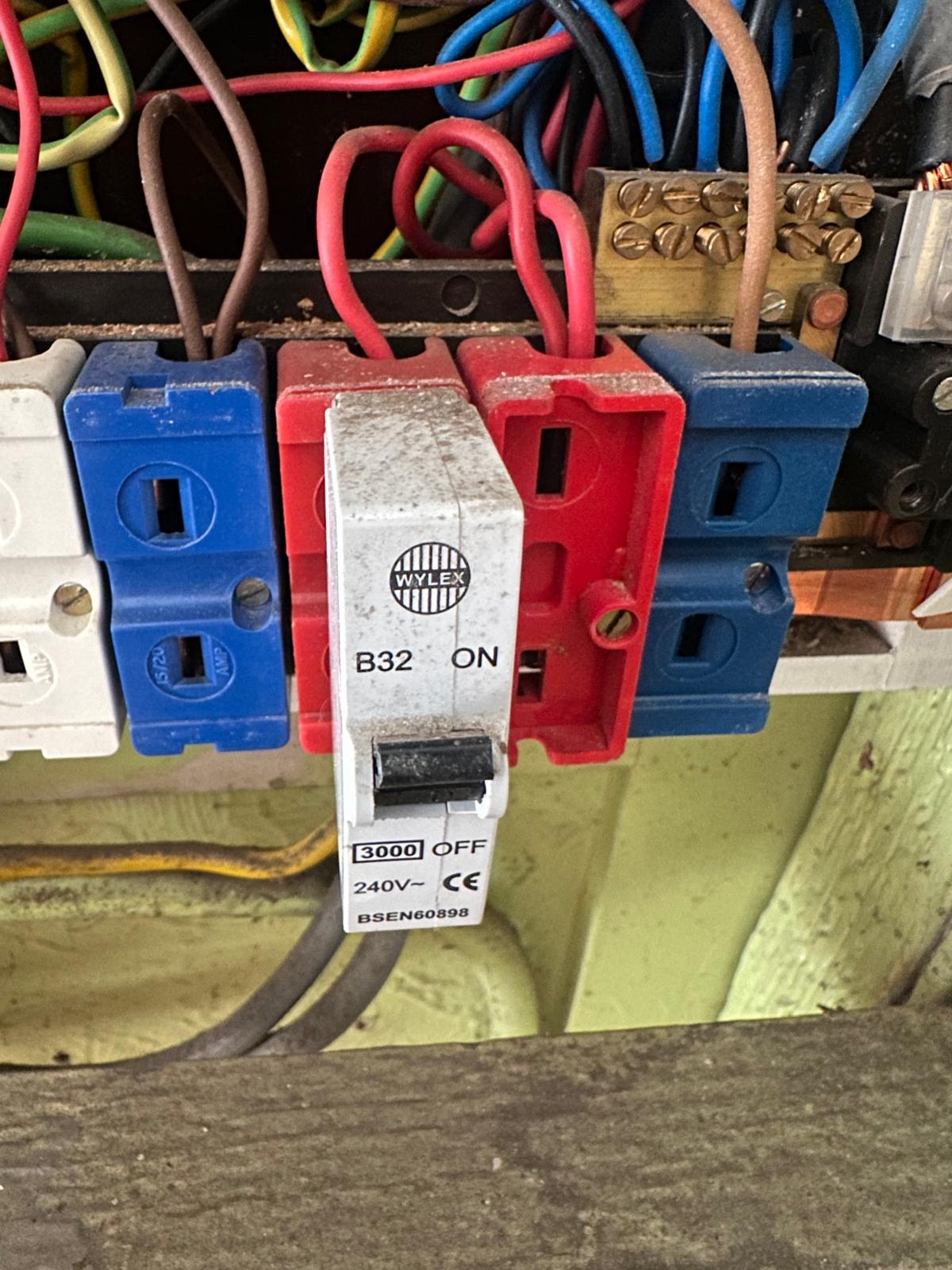
If your fuse board looks older, trips regularly, or has no modern safety protection, the question usually comes quickly - what is the consumer unit upgrade cost UK homeowners should expect?
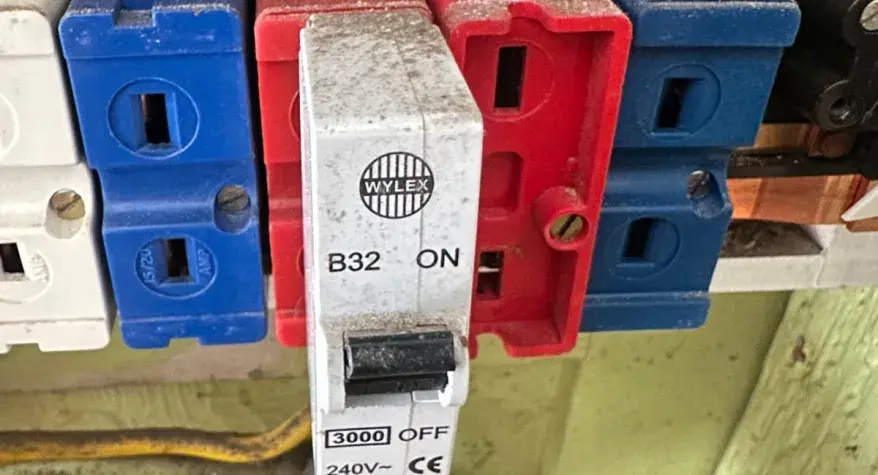
The honest answer is that it depends on the property, the condition of the existing wiring, and what needs to be brought up to standard at the same time. What matters most is getting a clear written quotation that explains exactly what is included, rather than chasing the lowest figure and finding surprises later.
What affects consumer unit upgrade cost UK prices?
A consumer unit upgrade is not just a box swap. In many cases, the board itself is only one part of the job. The electrician also needs to check the existing installation, confirm circuits are safe to reconnect, carry out testing, issue certification, and make sure the new unit complies with current regulations.
That is why prices can vary so much between properties that seem similar on paper. A straightforward flat with tidy, accessible circuits may be more economical than an older house where cabling has been altered over the years, labels are missing, and faults appear during testing.
The main things that affect price are the number of circuits, the type of consumer unit being installed, accessibility, and the condition of the existing electrical installation. If the electrician finds issues such as borrowed neutrals, inadequate earthing, damaged accessories, or older cabling that cannot safely remain as it is, the final cost can rise because remedial work becomes part of the process.
Location matters too. In London and the surrounding areas, labour rates are often higher than the national average. For customers in places such as Dollis Hill, Cricklewood, and nearby North West London areas, that can make local quoting look slightly higher than broad online estimates. The trade-off is that a reliable local contractor is more likely to attend promptly, explain the work properly, and remain available if you need follow-up support.
Typical cost range for a consumer unit upgrade
For many homes, a consumer unit upgrade will often fall somewhere in the region of a few hundred pounds to over £1,000, depending on the complexity of the job. A relatively straightforward replacement in a modern property with no significant remedial work may sit at the lower end. An older property that needs extra testing, circuit corrections, SPD protection, or additional work to earthing and bonding may move well beyond that.
As a broad guide, many domestic upgrades in the UK are often quoted in the £550 to £1,100 range. Some jobs come in below this, and some go above it, particularly where faults need correcting before the new unit can be safely commissioned.
This is where homeowners, landlords, and letting agents need to be careful. A very cheap quote can sometimes mean key items are not included. Testing, certification, notification where required, upgrading main bonding, or making good small issues may be priced separately. A proper quotation should spell out what is covered so you can compare like for like.
What should usually be included in the price?
A professional quotation for a consumer unit upgrade should normally include removal of the old board, installation of the new consumer unit, testing of circuits, certification, and safe re-energisation of the installation. It should also state whether minor remedial work is included or charged additionally if faults are found.
In many cases, the quote should also confirm whether surge protection is included, what type of RCBO or RCD arrangement is being installed, and whether main earthing and bonding have been checked. If these details are missing, it is worth asking before the work starts.
Why one fuse board replacement costs more than another
Two homes can both need a new consumer unit, yet the work involved can be very different. In one property, all circuits may test well, labels are clear, and the tails and bonding are suitable. In another, the board may be old, but the bigger issue is the wiring connected to it.
Older installations often reveal problems only when proper testing begins. This is common in homes that have had extensions, kitchen refits, or bits of electrical work carried out over many years by different people. The consumer unit itself may not be the real cost driver - the hidden faults are.
There is also a difference between replacing a board because it is outdated and replacing it because there is a fault or safety concern. If your current unit is overheating, showing signs of damage, or tripping frequently, diagnosis may be needed before the upgrade can even go ahead safely.
The consumer unit itself matters
Not all boards are the same. A modern metal consumer unit with RCBO protection on each circuit will usually cost more than a basic split-load arrangement, but it often offers better fault isolation and a more practical setup for the property. If one circuit develops a problem, it is less likely to affect multiple areas of the home.
Likewise, surge protection devices and other compliance-related additions can increase the initial cost. That said, these are not pointless extras. They are often part of bringing the installation in line with current expectations and can provide worthwhile protection for appliances and electronics.
When an upgrade is worth doing
If your property still has an older fuse board with rewireable fuses, no RCD protection, or signs of age and wear, an upgrade is often worth considering on safety grounds alone. Modern consumer units are designed to provide a much higher standard of protection than older equipment.
For landlords, an upgrade can also support compliance and reduce the likelihood of issues being flagged during inspections. It does not automatically solve every problem in an older installation, but it can form an important part of improving electrical safety in a rented property.
For homeowners, the value is often practical as well as safety-related. A newer unit can make faults easier to identify, reduce nuisance tripping where the setup is poor, and give more confidence when carrying out refurbishments or adding new circuits later.
If you are planning an extension, new kitchen, EV charger, electric heating, or other electrical improvements, it often makes sense to review the consumer unit first. Sometimes an upgrade done at the right stage avoids duplicated labour later.
Questions to ask before accepting a quote
The right quote is not always the cheapest one. It is the one that is clear, realistic, and based on proper assessment. Ask whether testing is included, whether the electrician expects any disruption, and what happens if faults are found once the old board is removed.
It is also sensible to ask what type of consumer unit is being fitted and whether certification is included as standard. If the property is older, ask whether the quote allows for checking earthing and bonding, because these details matter for safety and compliance.
A dependable electrician should be able to explain the work in plain language. You should not feel pushed into extras you do not understand, but you should be told honestly when extra work is necessary.
Cheap quotes vs proper value
Electrical work is one area where cutting corners can cost more later. A rushed fuse board replacement without proper testing is not good value, even if the headline figure looks attractive. The same goes for quotes that leave out certification or assume the existing installation is fault-free without checking.
Good value comes from transparency, competent workmanship, and a job completed to a standard you can trust. That is especially important in occupied homes, rented properties, and commercial settings where reliability matters day to day.
For local customers, choosing a contractor with a reputation for punctuality, clear communication, and written quotations usually leads to a better experience than choosing solely on price. That is the approach Lighthouse Engineering Ltd takes with consumer unit upgrades and other electrical work across North West London.
Consumer unit upgrade cost UK - the sensible way to budget
If you are budgeting for a consumer unit upgrade, allow for the board replacement itself and keep some room for remedial work if the installation is older. That does not mean every job will uncover extra costs, but it is sensible to expect that testing may reveal issues that need attention before the new board can be signed off safely.
A realistic budget for many homes sits somewhere around the mid hundreds, with more complex jobs moving higher once corrections and compliance work are included. The best next step is always a proper site-based quotation, because that reflects your property rather than a national average that may not apply.
If your current consumer unit is outdated, unreliable, or no longer suitable for the way the property is used, replacing it is usually money spent on safety, practicality, and peace of mind. A good electrician will tell you what genuinely needs doing, what can wait, and where the cost is coming from - and that clarity is often just as valuable as the upgrade itself.
To enquire about consumer unit upgrade, give us a call today!